

Bihar Museum Ranks 9th in the World: A Must-Visit Wonder in Patna
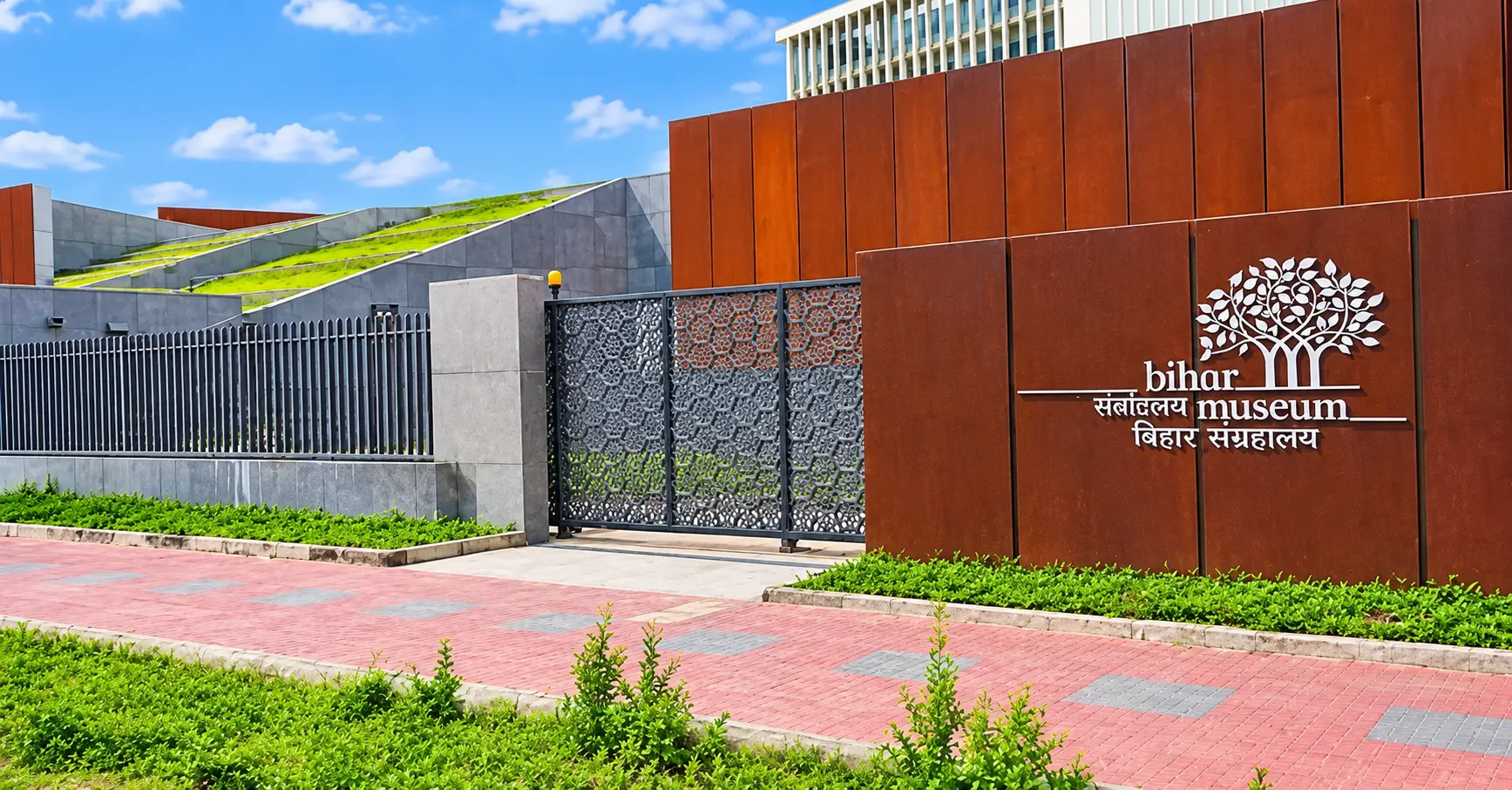
Patna’s world-class Bihar Museum has officially made history, ranking 9th on the global list of The World's 100 Best Museums—even outranking Paris's Louvre and New York's Met, Standing as the only Asian museum to break into the worldwide top 10, this architectural marvel spans over 13 acres of interconnected pavilions and serene courtyards.
Bihar Museum Ranks 9th in the World: A Must-Visit Wonder in Patna
Patna has achieved a magnificent global milestone that has captured the attention of travelers, historians, and art lovers across the globe. The city's world-class Bihar Museum has officially been ranked as the 9th best museum in the world in the prestigious list of the World's 100 Best Museums published by the international travel guide Worth a Journey.
This outstanding achievement is not just a proud moment for Bihar, but a landmark victory for the entire nation. The Bihar Museum stands as the only museum from India to earn a place on this elite worldwide list. Even more remarkably, it is the only Asian museum to break into the global top 10, earning the undisputed title of the highest-ranked museum on the Asian continent.
In achieving the 9th rank worldwide, Patna’s pride outranked some of the most celebrated cultural institutions on earth, including the world-famous Louvre Museum in Paris and The Metropolitan Museum of Art (The Met) in New York. The top five global positions were awarded to Mexico City’s Museo Nacional de Antropología, Madrid’s Museo del Prado, Denmark’s Louisiana Museum of Modern Art, Saint Petersburg’s State Hermitage Museum, and Vienna’s Kunsthistorisches Museum. Seeing an Indian museum stand tall among these legendary institutions proves that Patna’s rich historical treasures can compete with the finest cultural spaces anywhere in the world.
The Vision, History, and Architecture of Bihar Museum
Located along Patna’s busy Bailey Road, the Bihar Museum was officially inaugurated in 2015. The idea for this massive state-of-the-art campus grew out of a practical need to preserve and celebrate Bihar’s deep historical heritage. For decades, the historic older Patna Museum held thousands of priceless relics, ancient sculptures, and royal collections. However, the older building lacked the expansive space needed to display these treasures properly. Bihar Museum was built to give these ancient treasures the grand, modern setting they deserved.
The museum’s architecture is an international masterpiece in itself. It was designed by the celebrated Pritzker Prize-winning Japanese architect Fumihiko Maki, in close partnership with the Mumbai-based firm Opolis Architects. The campus spans over 13 acres of beautifully landscaped greenery, interconnected pavilions, serene open-air courtyards, and natural lighting corridors.
Unlike traditional, dimly lit museum halls of the past, Maki’s design uses natural materials, weathering steel, stone, and wide glass panes. As visitors walk between different pavilions, they move seamlessly between indoor galleries and tranquil outdoor garden courts. This layout lets visitors reflect on the ancient stories they have just seen, making the museum visit peaceful, immersive, and educational.
A Journey Across Time: Iconic Artefacts and Historical Galleries
The Bihar Museum takes visitors on a fascinating journey through time, housing rare archaeological artefacts and artistic creations that date from the earliest civilisations of ancient India up to the year 1764. The galleries are organized chronologically, making it simple for people of all ages to follow the rise and fall of great empires that ruled from Pataliputra.
1. The World-Renowned Didarganj Yakshi
The images is used in bihar foundation official Facebook: Link
The shining crown of the museum’s sculpture collection is the world-famous Didarganj Yakshi. Carved during the Mauryan era from a single block of Chunar sandstone, this life-sized statue is widely recognized as one of the finest, most breathtaking masterpieces of ancient Indian art. Discovered on the banks of the Ganges near Patna in 1917, the statue is renowned for its mirror-like polish, intricate jewelry carvings, and lifelike posture. Standing in front of the Yakshi is an unforgettable experience that leaves tourists in absolute awe.
2. The Kushan Era: "Birth of the Buddha"
Another major attraction inside the historical halls is a rectangular carved stone slab depicting the Birth of the Buddha, created during the ancient Kushan period. It captures key Buddhist iconography and historical storytelling with incredible craftsmanship.
3. The Kurkihar Buddhist Bronzes
The museum proudly displays rare bronze sculptures excavated from Kurkihar, dating back to the golden age of the Pala dynasty. These intricate Buddhist figures demonstrate the extraordinary metal-casting skills of ancient Bihari artisans who influenced art across Southeast Asia.
4. Coins, Inscriptions, and Rare Manuscripts
Visitors can view authentic currency systems used across centuries, including rare silver and copper coins from the Sur dynasty. The museum also holds an exquisitely illustrated, historical manuscript of the holy Quran, alongside stone inscriptions and royal seals from the Mauryan, Gupta, and Mughal eras.
5. The Engaging Children’s Gallery
The museum is thoughtfully designed for families and young learners. The Children’s Gallery offers interactive learning zones filled with colorful displays focused on wildlife, environmental science, folk traditions, and archaeological discoveries. It allows young children to touch, listen, and learn about history through play.
6. The Bihar Diaspora Gallery
Recognizing that Bihar’s heritage extends far beyond its physical borders, the Diaspora Gallery documents the courageous journeys and cultural contributions of Bihari migrants across Mauritius, Fiji, the Caribbean, and modern global communities.
Helpful Visitor Guide: Timings, Tickets, and Facilities
Planning an easy trip to this award-winning cultural landmark is straightforward:
- Location: Bailey Road (Jawaharlal Nehru Marg), Patna, Bihar.
- Gallery Timings: The main exhibition galleries are open from 10:00 AM to 5:00 PM.
- On-Site Dining: An in-house restaurant serving authentic Bihari delicacies and popular multi-cuisine dishes remains open until 9:00 PM.
- Weekly Closing Day: The museum remains completely closed on Mondays for regular maintenance.
- Entry Ticket Prices: Regular tickets for Indian adult visitors cost ₹100 per person. Tickets for international tourists cost ₹500 per person.
Where to Stay: Comfortable Hospitality at Hotel Bodhi Tree
Visiting the 9th-ranked museum in the world is an inspiring experience that shows how the soil of Bihar shaped the history, philosophy, and art of ancient civilization. Whether you are coming to Patna for a weekend heritage tour, traveling on a spiritual pilgrimage across Buddhist circuits, or visiting the city for official work, spending half a day exploring the galleries of Bihar Museum is an absolute must.
After hours of walking through grand exhibition halls and admiring ancient sculptures, you need a comfortable, relaxing retreat to rest your feet and enjoy a warm, fresh meal. Located in the heart of the city, Hotel Bodhi Tree provides the perfect peaceful stay for travelers, offering spacious air-conditioned rooms, modern amenities, warm hospitality, and prompt room service. Widely recognized as the best hotel in Patna near Patna Junction, Hotel Bodhi Tree keeps you conveniently close to major railway terminals while ensuring fast, effortless travel to the world-renowned Bihar Museum and other top historical landmarks across Patna.